.jpg)
New: Boost's Raiser's Edge NXT Integration now supports Galas, Auctions, and Reunions
Learn More


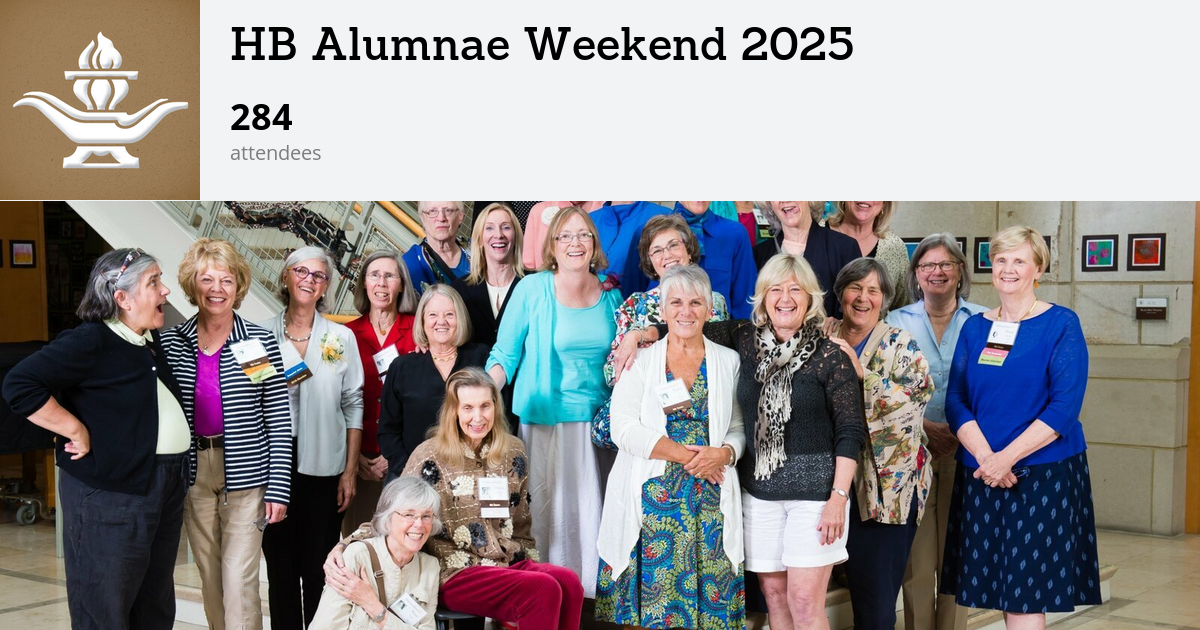
Learn how Hathaway Brown, an all-girls school, transformed alumni engagement from broadcast appeals to personalized community connections.
When Lauren Gulley and Tiana Ellington joined Hathaway Brown School as Director of Annual Giving and Alumnae Engagement Manager, they brought decades of combined advancement experience from healthcare philanthropy, public media, and higher education. But K-12 presented a new challenge: how do you keep alumni engaged with a school they attended years—or even decades ago—when they're balancing careers, families, and countless other philanthropic priorities?
Their answer reshaped everything. By building genuine sisterhood connections and making those relationships visible throughout their community, they created a giving culture where support feels like community participation rather than institutional obligation. Today, 47% of their alumni give annually to school operations, compared to the independent school median of just 7% (according to NAIS).
But they didn't start there. They started where many schools find themselves: with alumni who cared deeply about their school experience but struggled to stay connected amid busy lives and competing causes. What Lauren and Tiana discovered was that the path to exceptional participation rates begins with creating authentic touchpoints that honor the school's 150-year legacy while meeting alums where they are today.
Even better, like many advancement leaders, Tiana's personal connection to the school runs deeper than her professional role as an alumni engagement manager. Her daughter currently attends Hathaway Brown, giving her unique insight into what makes families want to stay engaged with the community long-term.
K-12 schools will always send email blasts, but they all must learn to balance this strategy with appeals that speak directly to their tight-knit community. As Director of Giving, Lauren learned this immediately when she moved from more general philanthropic giving models to Hathaway Brown's intimate community of 150 years of alumni.
"You really have to know your constituents and the school community."
Unlike philanthropy for more general issues, where strangers can be easily moved to give, K-12 advancement depends on deep personal connections to highly specific people, traditions, and shared memories. The challenge is in raising from a finite community of parents and alumni, opposed to an unlimited pool of potential supporters. Every relationship matters even more.
Tiana faced similar challenges transitioning from higher education, where recent graduates maintain fresh connections to professors and campus experiences. At Hathaway Brown, she needed to help alums reconnect with more distant, but stronger, memories of childhood experiences and friendships.
K-12 advancement professionals all face this issue: engaged alums who care deeply about their schools but struggle to prioritize giving among dozens of competing adult responsibilities and distant childhood memories. The solution requires more personalized messaging that taps into the existing care they already have for their school community.
Lauren and Tiana's breakthrough came when they stopped viewing events and giving as separate programs. Instead, they built programming that connected alumnae to current campus life while creating seamless opportunities to give.
Hathaway Brown's most instructive example came through IDEO, an 86-year tradition where upper school students process through hallways before winter break while parents and alums watch from the sidelines.
For years, IDEO existed as a beloved tradition with no formal structure. The advancement team sent passive email invitations to alumnae, but there was no registration process, no way to see who else was attending, and no connection to annual giving. The event happened, people showed up, and that was that.
In 2025, they made three strategic changes—and they worked:
First, they created structured registration that let alumnae commit to attending rather than vaguely planning to show up. This simple shift from "maybe I'll go" to "I'm registered" dramatically increased actual attendance.
Second, they made participation visible by class year. When alums logged in to register, they could see which classmates were coming. This triggered natural peer momentum—nobody wanted to be the only one from their class who wasn't there.
Third, they positioned giving as community celebration, not institutional necessity. During the registration process, they included an optional giving opportunity with clear messaging: this wasn't their annual fund ask (that would come separately), but rather a chance to celebrate this specific tradition with a gift. No pressure, just invitation.
The outcome: doubled alumni attendance and generated nearly $1,400 in gifts—not a massive dollar figure, but revenue that had never existed before from an event that was already happening anyway. Event revenue has also increased by 80%.
Turn your alumni events into giving moments. Use the same framework Hathaway Brown used to reach 47% alumni participation.
Get the checklist: https://www.boostmyschool.com/landing-pages/checklist-turn-alumni-engagement-into-dollars
What made it work: Instead of taking the focus of IDEO away from the students, they added structure that let people participate more intentionally while making community connections visible. The tradition kept its authentic spirit while gaining tools that helped alums see themselves as part of something larger.
There’s also one critical detail to note in their implementation: They positioned day-of gifts as separate from annual giving commitments, ensuring people understood this was an additional community celebration, rather than a replacement for ongoing support.
.png)
The most powerful element of Lauren and Tiana's method involves creating visible connections between alums from different eras and between alumni and current students.
What happened: 47% of Hathaway Brown alumni give annually, far exceeding the average 7% of other independent schools. But more importantly, their advancement team creates ongoing community connections that make giving feel inevitable rather than transactional.
"We want to build those relationships for the long term. Often K-12 schools rely too heavily on broad transactional outreach instead of empowering their parents, alumni, students, and volunteers to be active participants."
Broad appeals aren’t going away. But the real success for independent schools lies in their ability to identify and activate the unique community bonds that already exist. At Hathaway Brown, sisterhood connections weren't manufactured—they were already there. Lauren and Tiana simply made them visible and gave them structure. In the 2025-2026 school year, annual giving totals are up 43%.
Not every school is ready for such broad alumni participation, but by identifying your school’s unique value, you can design a giving strategy that engages the community and supports giving momentum.
Hathaway Brown's success story continues to change through their multi-year 150th anniversary celebration, proving that milestone moments can amplify community-centered giving when handled thoughtfully.
Their celebration spans 2025-2027 with regional events connecting alumnae communities. "There's been a resurgence into Cleveland,” Tiana notes, describing their focus on setting up events near the Hathaway Brown community. The events celebrating the 150th anniversary make space for alumnae to network, connect with their past, and engage with the community.
The Boost platform helped the success of their event integration and continues to serve as a community amplifier. When alums can see who's attending events by graduation class, it creates organic excitement that draws hesitant participants back into the fold.
The foundation of their success builds on what makes their all-girls education special: the deep confidence it instills in students. The kind that creates a lifelong desire to pass that same empowerment to the next generation. This is made obvious in the “Buy a Brick” campaign for the 150th anniversary: every alumna has the opportunity to contribute a piece of the school.
When alumnae return to campus, they see how the school continues to prepare young women to sit in the front row and raise their hands first—just like they learned to do. That connection to ongoing impact makes giving feel personal and meaningful. Never transactional.
Hathaway Brown’s advancement strategy works because it honors both the relationships formed during school years and the confident leaders those students have become.
Want to see what this looks like for your school?
Your alumni community already cares. Boost gives you the tools to make that visible, and connected to giving.
Trusted by 300+ K-12 schools.
See a Demo: https://www.boostmyschool.com/demo